
Composite vs. Porcelain Veneers: London Guide
Many people seeking a renewed smile often weigh the advantages of composite veneers against porcelain veneers. Deciding between these two options can be challenging, especially when you want an outcome that blends durability with aesthetics. For individuals living in the heart of the city, finding a cosmetic dentist London patients trust is a common priority. This guide clarifies how composite and porcelain veneers differ, exploring factors such as long-term reliability, appearance, and maintenance requirements.
“Before recommending a particular type of veneer, we always assess the patient’s lifestyle, budget, and cosmetic goals,” says leading cosmetic dentist London Dr. Sahil Patel of Marylebone Smile Clinic. “Each treatment plan should be unique, because each smile is unique. The goal is to ensure the most suitable approach for the patient’s long-term oral health while providing a natural appearance.” He advises that those concerned with the potential longevity of their veneers investigate further details about porcelain veneers, which often provide a lasting solution due to their resistance to stains and structural integrity.
Composite veneers involve the use of a tooth-coloured resin material that is applied directly to the surface of existing teeth. The process begins with a thorough cleaning of the teeth, followed by the meticulous layering of composite resin. Once the material is shaped to the desired contours, a curing light hardens the resin. A final round of polishing delivers the smooth finish most patients anticipate, allowing the treated teeth to blend naturally with surrounding teeth.
One of the main reasons composite veneers attract attention is their affordability compared to porcelain veneers. Some patients also appreciate the convenience of same-day or short-term treatment times, which is often possible with composite procedures. Composite veneers can be sculpted on the tooth’s surface, eliminating any need for complex laboratory work, which lowers costs and shortens the overall treatment timeline.
While composite veneers have the potential to deliver excellent results, their longevity varies greatly based on factors such as the patient’s oral care routine, dietary habits, and the skill of the dentist. Composite resin I s more prone to chipping or staining than porcelain. Drinks like coffee and red wine may cause more rapid discolouration, especially if a patient neglects consistent brushing and rinsing routines. Nevertheless, repairs are typically straightforward if a composite veneer sustains damage. A dentist can fix small imperfections by adding more resin and polishing, rather than needing to replace the entire veneer.

About Porcelain Veneers
Selecting porcelain veneers also means planning for a more extended timeline, since laboratory fabrication is necessary. In addition, the process of shaving enamel, even if slight, can be a sticking point for some individuals wary of permanent changes to their teeth. Yet many patients regard the quality, lifespan, and realistic appearance of porcelain veneers as strong incentives to make that compromise. Dentists generally remind their patients that once the enamel is removed, the procedure cannot be reversed, so the decision to proceed should be well-considered.
The Aesthetic Appeal of Veneers
A common question in London practices is whether porcelain veneers genuinely look more natural than composite ones. Although modern composite materials can produce excellent results when handled by a skilled professional, porcelain tends to have an edge when replicating the subtle variations and light-reflective properties of natural teeth. Porcelain veneers also resist most forms of discolouration more effectively, allowing them to maintain a striking appearance even when a person’s diet includes substances known to cause staining.
Composite veneers, on the other hand, also have the potential to look highly realistic in the hands of an expert. The final appearance depends on factors like the degree of artistry used to layer the resin and the degree of finishing and polishing carried out. However, over an extended period, these veneers might not stay as bright and polished as their porcelain counterparts. Patients who are especially mindful about diet, smoking, or daily consumption of staining beverages such as tea, coffee, and red wine may prefer porcelain if their primary objective is to maintain consistently bright teeth over the years.
For people interested in a more dramatic transformation, porcelain veneers often provide a more definitive result and can address multiple imperfections at once. That said, some prefer composite veneers if their concerns are minor or if they desire a cost-effective way to enhance just a few teeth in a more discreet manner. The look of either option is largely contingent on factors like shape, size, and colour selection, which should all be adapted to suit each patient’s facial structure and existing dentition.
Veneers and the London Lifestyle
London is a vibrant city that places considerable emphasis on presentation and appearance, both in professional and social contexts. Veneers appeal to many who want a refined look that still appears natural enough for everyday life. The decision is not merely about cost or durability; it may also reflect personal style, career goals, and social aspirations.
With the city’s mixture of high-paced professional work and bustling social engagements, veneers can offer a practical solution for individuals who do not wish to undergo orthodontic treatments that can take a year or more to yield results. Composite or porcelain veneers can rectify minor issues like small gaps or mild crookedness. They can also provide the instant gratification many London residents seek. A fair number of people see veneers as part of a broader personal investment, believing that a confident, radiant smile enhances their professional trajectory and social interactions.
The Cost Factor in London
The cost of veneers in London differs widely depending on the practice, the skill level of the professional, the type of veneer, and additional treatments that may be needed. Composite veneers typically cost less per tooth than porcelain. The more time-consuming fabrication process of porcelain veneers and their superior longevity justify their higher price tag. Each patient has unique considerations, but cost frequently plays a significant part in decision-making.
A vital part of the cost calculation involves how long the veneers will last before they require replacement or repair. While composite veneers can be more budget-friendly initially, they may need repairs or replacements more frequently, especially if a patient’s lifestyle includes activities or dietary habits that increase the risk of damage. Porcelain veneers can often last upwards of a decade before a replacement becomes necessary, making them potentially less costly long-term, provided the patient upholds an effective oral hygiene routine and avoids biting down on hard objects that could compromise the veneer. Many London practices offer flexible payment plans or financing options, making both composite and porcelain treatments more accessible.
Durability and Maintenance
Composite veneers, though robust, are less durable than porcelain veneers. They are more prone to chipping, staining, and wearing down over time. Still, the simplicity in repairing a composite veneer is a strong point in favour of this approach. Repairing a chip in a composite veneer usually entails adding more resin and re-polishing. Porcelain veneers, in contrast, may require a total replacement if significant damage occurs, as a chipped or cracked porcelain veneer is not easily fixed with a simple additive procedure.
In terms of day-to-day maintenance, both types of veneers benefit from an identical oral care routine: brushing with a non-abrasive toothpaste, flossing regularly, and scheduling routine check-ups with a dental professional. Dietary choices can matter, too. Over time, substances that cause staining can have a more noticeable impact on composite resin, though porcelain surfaces are also not entirely immune if oral hygiene is neglected.
Some people worry that they will have to compromise their normal eating habits after getting veneers, but that is generally not the case. Apart from avoiding particularly hard objects that place undue stress on the veneers, most everyday foods are permissible. Patients should, however, be mindful of grinding or clenching habits that can undermine veneers over time. For those who suffer from bruxism (teeth grinding during sleep), a customised night guard may help shield both composite and porcelain veneers from excessive wear. Regular maintenance visits remain an important part of veneer aftercare, allowing the dental team to track wear, address small concerns before they escalate, and refresh the veneers’ polished surfaces if necessary.
How to Choose the Right Option
Choosing between composite and porcelain veneers involves reflecting on a patient’s aesthetic goals, budget, and the extent of any structural or cosmetic issues. If cost and treatment speed are major considerations, composite veneers can be a more straightforward choice. They can address many of the same cosmetic challenges as porcelain veneers, including discolouration, minor gaps, and small chips. In skilled hands, composite veneers can achieve an appearance that resembles porcelain. The trade-off is typically a shorter lifespan, with replacements or touch-ups necessary every five to seven years for many patients.
Porcelain veneers, though more expensive initially, come with a reputation for durability and stain resistance. Some people see them as an investment, particularly if the changes required are more extensive. Porcelain can be shaped, tinted, and finished in a way that closely mimics the translucence of natural tooth enamel, which is important for patients seeking a thoroughly realistic outcome. Given their longevity, porcelain veneers may offer a cost advantage over time, assuming they are properly cared for. For individuals who value a long-lasting, highly aesthetic transformation, porcelain veneers can be a compelling choice.
Dentists usually advise that patients should have good overall oral health before pursuing either treatment. Gum issues or significant decay can complicate the success of veneers. While veneers can cover up certain surface imperfections, underlying health conditions need to be addressed to prevent complications further down the line. Some dentists may suggest a thorough cleaning, fillings, or orthodontic work prior to the veneer procedure. Taking these steps ensures the teeth and gums are in optimal condition, which can reduce future repair costs and promote the stability of the veneers.
The Procedure Journey
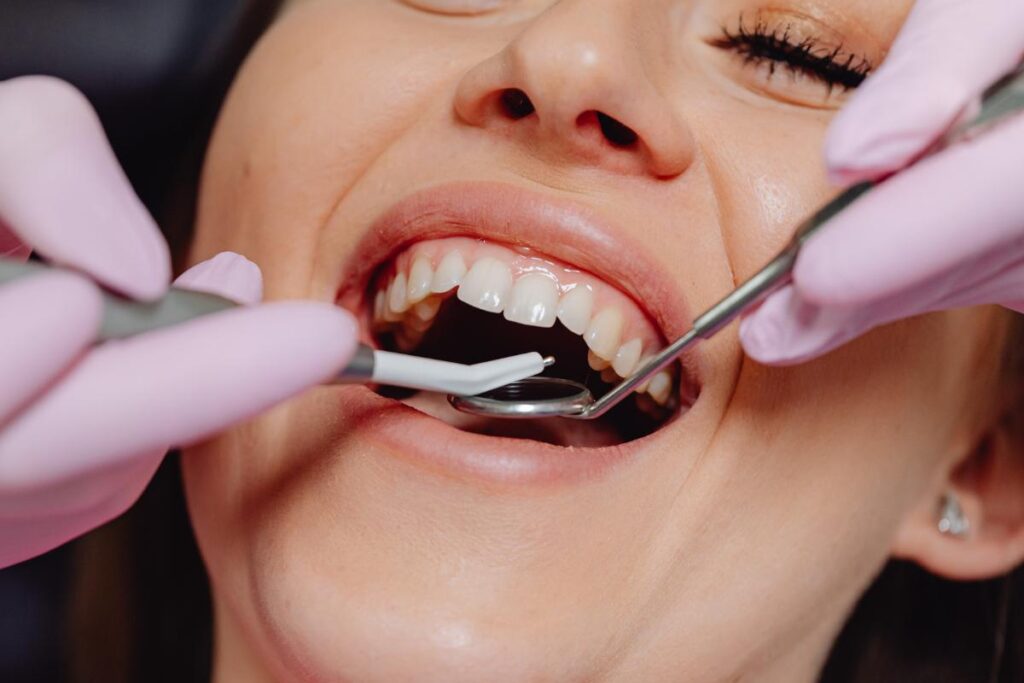
Most veneer procedures begin with a consultation. Dentists often employ technology such as digital imaging to demonstrate how composite or porcelain veneers might look. This step can help the patient gauge different shapes, shades, and overall aesthetics. Depending on the patient’s preferences and oral condition, the dentist will recommend the more suitable veneer material.
If the patient chooses composite veneers, the dentist will often start by lightly etching the tooth’s surface, applying a bonding agent, and then layering the composite resin. Once the ideal shape is achieved, a curing light hardens the resin, followed by a polishing stage to blend the veneer seamlessly with neighbouring teeth. The entire process can sometimes be completed within a single appointment, although a separate appointment may be scheduled for additional polishing or minor adjustments if necessary.
Porcelain veneers involve a multi-step journey. After the preliminary consultation, the dentist reshapes the teeth if needed and takes moulds or digital scans that guide the creation of the porcelain shells in a specialised laboratory. In many cases, temporary veneers will protect the prepared teeth while the laboratory fabricates the final porcelain veneers. The patient returns for a fitting appointment during which the dentist verifies colour, shape, and fit before permanently bonding the veneers. Although this sequence takes longer, most patients feel the wait is justified by the pleasing, refined look that porcelain can offer.
Potential Risks and Considerations
Every dental treatment carries potential risks. With veneers, one consideration is the potential for tooth sensitivity. Some people experience heightened sensitivity to hot or cold beverages after the enamel is minimally shaved for porcelain veneers, though this typically subsides over time. Composite veneers may involve less tooth preparation, which can reduce the risk of sensitivity, but other factors—like how well the composite bonds to the tooth—can lead to mild discomfort initially.
Improperly fitted veneers may irritate the gum line or encourage bacterial buildup. Consequently, choosing a reputable cosmetic dentist London patients rate highly remains crucial. Experience and attention to detail help minimise the chances of issues such as overhanging edges or subpar bonding that can compromise the veneer’s longevity. Patients who choose composite veneers should also be aware that repeated repairs or replacements may eventually require further preparation of the tooth’s surface, slightly increasing the risk of sensitivity or structural weakening over the long term.
A particular risk with porcelain veneers, aside from the initial removal of enamel, is that a damaged veneer almost always requires a full replacement. For a composite veneer, a smaller repair may suffice in many cases. However, a poorly done repair can result in less natural transitions between the veneer and the tooth. Whether a patient selects composite or porcelain, a thorough conversation with the dentist, covering benefits, potential drawbacks, and realistic outcomes, helps avert future disappointment or complications.
Lifestyle Impact and Post-Treatment Care
Once veneers are in place, day-to-day activities typically proceed as before. However, it is important to maintain an awareness of certain habits. Excessive consumption of acidic foods or beverages can gradually wear down the tooth surface or compromise the bonding. While porcelain tends to resist staining, it is not entirely impervious, especially along the margins if the seal between tooth and veneer deteriorates over time. Composite veneers can stain faster, though consistent oral hygiene can keep them looking their best.
Patients who frequently bite their nails or chew on hard objects like ice or pens may want to reconsider these habits, as either type of veneer can be susceptible to fractures. Another aspect to consider is regular dental check-ups; while most individuals already schedule biannual visits, those with veneers should be diligent about attending these appointments. Dentists can examine whether the bonding is holding up correctly, polish the veneers if necessary, and catch any small defects early on. As mentioned, patients with bruxism might require a custom-fitted mouth guard for nighttime use. This prevents undue stress on the veneers and prolongs their life span.
Considering Future Adjustments
Some people see veneers as a final step, expecting to maintain the same set for a decade or more. Others may plan for incremental enhancements over time. While porcelain veneers are well-known for their longevity, they may eventually require replacement, whether because of gum recession exposing tooth edges, accidental damage, or a desire to alter the smile’s look. Composite veneers can be touched up or replaced at more frequent intervals. This can be either an advantage or a disadvantage, depending on perspective. The capacity to add more resin easily for small repairs is convenient, but a patient might also prefer the consistency and reliability of porcelain, especially if a bigger budget is available.
Some individuals consider combining veneers with other procedures, such as teeth whitening (particularly for teeth that are not being veneered) or minor orthodontic adjustments for untreated areas of the bite. In such scenarios, the path forward is best guided by a consultation with a cosmetic dentist capable of performing multiple types of dental treatments. Combining procedures can sometimes save time and money, and produce a more uniform aesthetic result for the whole mouth.

Maintaining a Realistic Perspective
Veneers can produce impressive transformations, but they are not a panacea for all dental conditions or cosmetic concerns. They will not correct severe misalignment that might be better addressed by orthodontics, nor will they address significant structural damage that may call for crowns or implants. Understanding the boundaries of what veneers can achieve leads to more realistic expectations. Dentists remind patients that veneers need the same level of care, if not more, than natural teeth. Although they can protect a tooth’s exterior to some degree, poor oral hygiene can still undermine the veneer’s lifespan through gum disease or decay at the tooth’s margins.
Some patients prefer to think of veneers as part of a broader commitment to oral health, seeing them as one facet of a total smile makeover. This might encompass changes in brushing habits, flossing, or dietary adjustments. Veneers often motivate individuals to elevate their oral care routine, since the investment they have made in their smile encourages them to safeguard the results. Regardless of whether composite or porcelain veneers are chosen, a thorough approach to daily hygiene will ensure the best return on investment.
Conclusion
The decision between composite and porcelain veneers in London hinges on a variety of factors: immediate budget, long-term financial planning, lifestyle, and the desired aesthetic. Composite veneers can be more cost-effective and may be placed in a shorter time frame, yet the trade-off is typically a shorter lifespan and greater susceptibility to stains or chips. Porcelain veneers demand a higher initial outlay and often require several appointments, but they present a more resilient, stain-resistant, and aesthetically refined outcome.
In many cases, individuals come to this crossroad when they want a smile that can confidently endure the demands of London living, from sociable evenings with friends to busy professional interactions. No single option is universally correct for everyone, but understanding the pros and cons of each approach ensures a more informed decision. Whether someone opts for composite or porcelain, the ultimate aim is to achieve a healthy, natural-looking smile that harmonises with personal tastes and needs.
Finding a competent cosmetic dentist London patients speak highly of is crucial. The expertise, experience, and design sense of the dentist can mean the difference between a fleeting enhancement and a lasting transformation. Many find that scheduling a consultation or two, discussing options, and even viewing examples of previous patient outcomes can illuminate the choice. Given the permanence of certain procedures and the financial commitment veneers entail, deliberate thought and professional guidance are essential.
Veneers are a doorway to greater confidence for those who have long felt self-conscious about their teeth. Armed with this knowledge of composite and porcelain veneer treatments, prospective patients can move forward with clarity. Whether selecting the affordability and flexibility of composite or the durability and realistic finish of porcelain, the end goal is a smile that inspires confidence and remains an asset in every aspect of life in the capital.


Leave a Reply